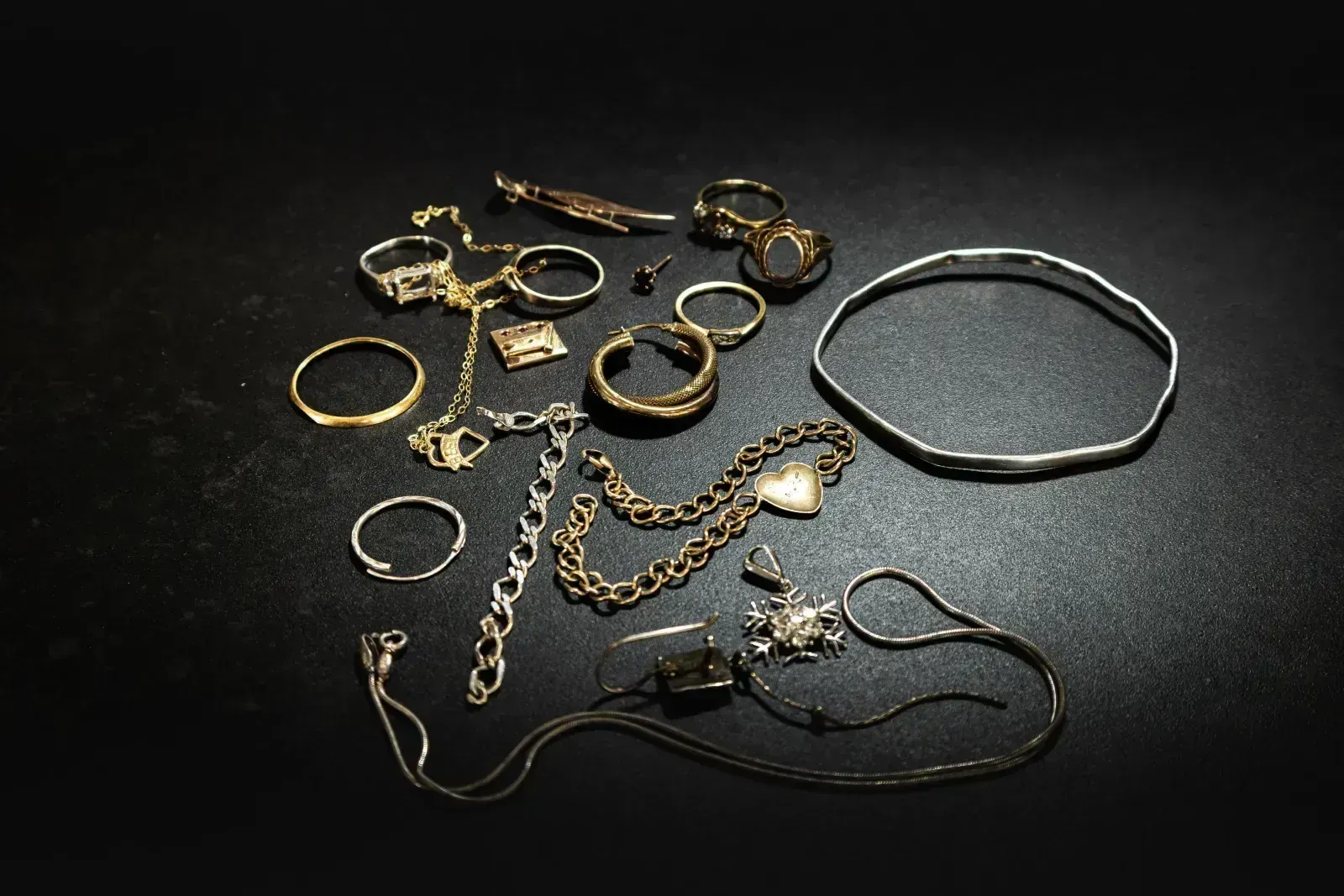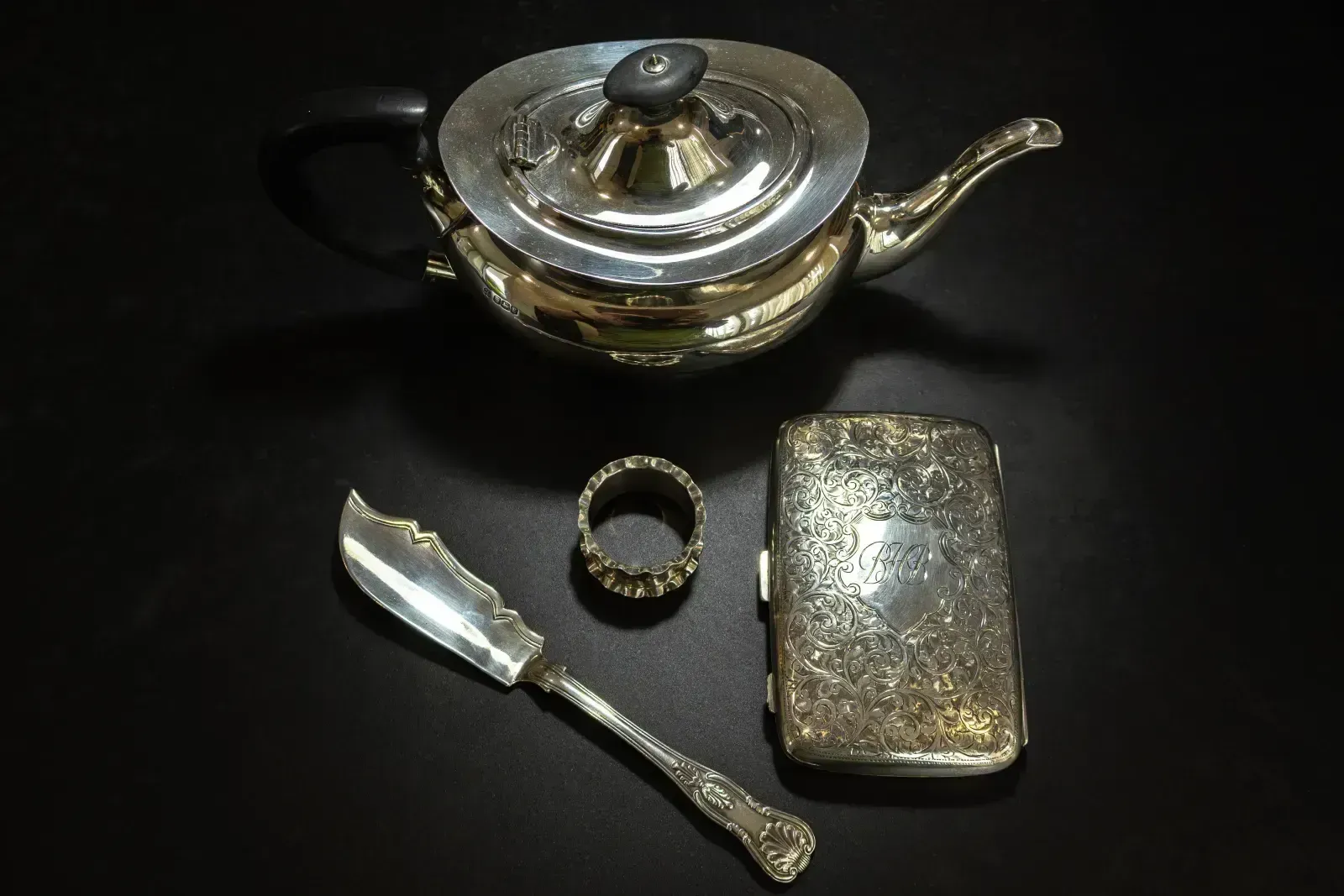
Somewhere in many New Zealand homes there is a silver teapot, a cutlery set, or a tray that has not been used in years. Maybe you inherited it. Maybe it came from a deceased estate. Maybe it has been sitting in a cupboard since your wedding. The question everyone asks is the same: is it actually worth anything?
The short answer is: if it is sterling silver, yes, quite possibly more than you think.
Sterling Silver vs Silver Plated
The first thing to check is whether your items are solid sterling silver or silver plated. This makes all the difference.
Sterling silver is 92.5% pure silver. Items made from sterling silver are valuable for their metal content alone, regardless of age, condition, or appearance. Look for a 925 stamp, the word 'sterling', or a lion passant mark (common on British-made items).
Silver plated items (often stamped EPNS, which stands for Electroplated Nickel Silver) have only a thin coating of silver over a base metal. Unfortunately, plated items have very little precious metal value. The silver layer is too thin to recover economically.
If you are unsure, bring your items to us and we will test them for free. We can tell you immediately whether they are solid silver or plated.
What Sterling Silver Is Worth
Sterling silver is valued by weight. The heavier the item, the more silver it contains, and the more it is worth. Silver prices have been strong in recent years, making now a good time to sell.
To give you a rough idea of scale: a sterling silver cutlery set for six can weigh anywhere from 500 grams to over 2 kilograms, depending on the pattern and the number of pieces. At 92.5% purity, a 1 kilogram set contains 925 grams of pure silver. Check the current silver spot price and do the maths. Remember that buyers pay below spot price to cover refining costs, but the spot value is a useful benchmark.
Individual items like teapots, trays, candlesticks, and serving dishes can also add up. A solid sterling silver teapot might weigh 400 to 800 grams, which translates to meaningful value at today's prices.
Condition Does Not Matter
This surprises a lot of people: the condition of your silverware does not affect its value as precious metal. Tarnished, dented, scratched, incomplete sets, and single pieces are all worth the same per gram as pristine items.
Tarnish is just a surface oxidation that does not reduce the silver content. A black, heavily tarnished teapot contains exactly the same amount of silver as a freshly polished one.
The only exception is if a piece has collectible or antique value beyond its metal content. Certain makers, patterns, or historical pieces can be worth more to a collector than their melt value. We will always let you know if we think something falls into this category.
Common Items Worth Checking
Here are some of the items we commonly buy from New Zealand households:
Cutlery sets, including knives, forks, spoons, and serving pieces. Even incomplete sets or mixed patterns have value if they are sterling silver.
Teapots, coffee pots, sugar bowls, and cream jugs. These are often heavy and contain a significant amount of silver.
Trays, salvers, and serving dishes. Large trays in particular can be surprisingly valuable due to their weight.
Candlesticks, napkin rings, picture frames, and ornaments. Even small items are worth checking.
Hairbrushes and hand mirrors with silver backs. The silver component can be removed and has value.
How to Find Out What Yours Is Worth
The easiest way is to get in touch with us for a free assessment. We come to your home anywhere in Tauranga and the Bay of Plenty, test and weigh your items in front of you, and give you a no-obligation quote.
There is no cost, no pressure, and no minimum amount. Even if you only have a few pieces, it is worth checking. You might be surprised.
Find Out What Your Items Are Worth
We offer free, no-obligation assessments anywhere in Tauranga and the Bay of Plenty. Same-day bank transfer if you accept.