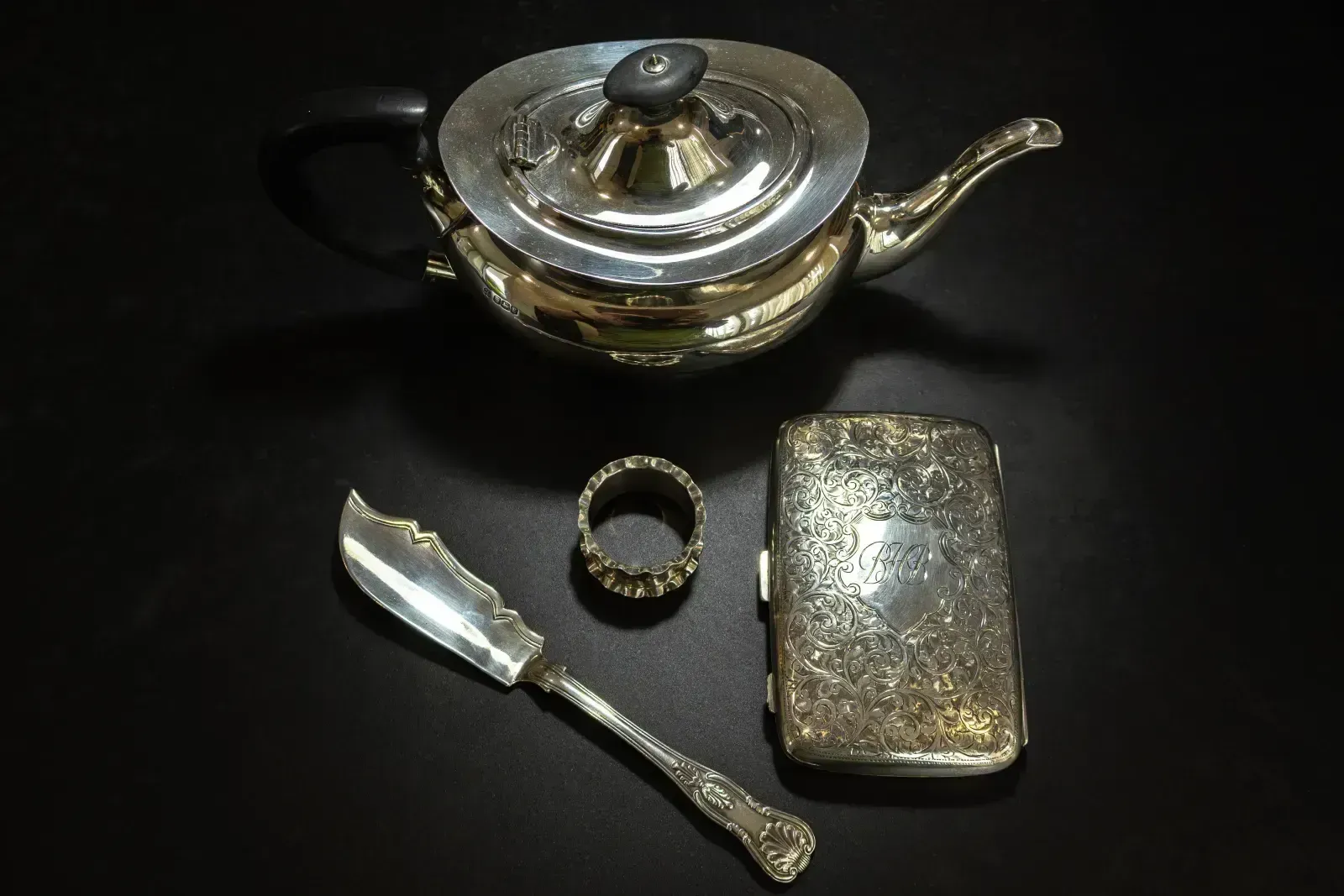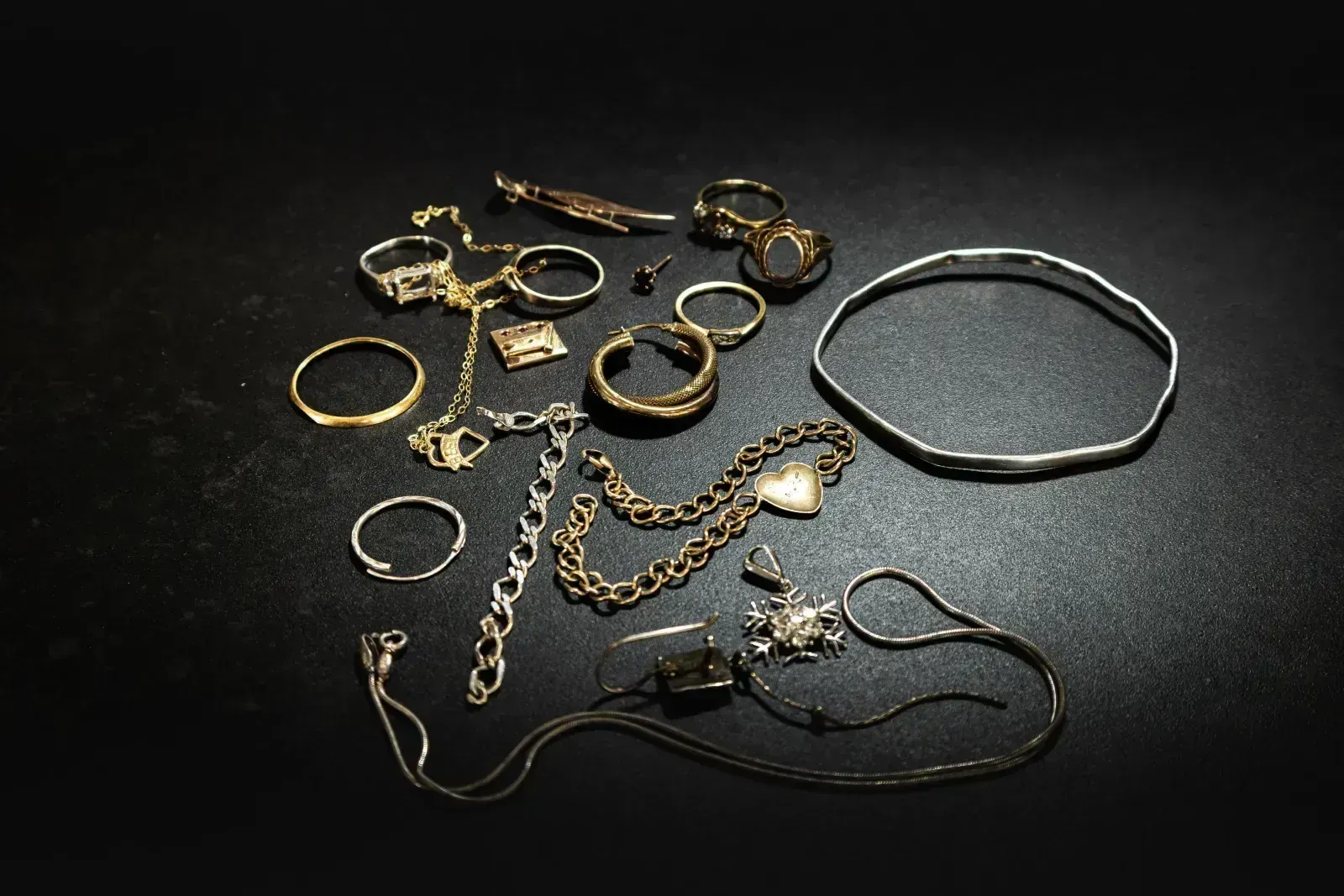
Inheriting jewellery is common in New Zealand. A parent or grandparent passes away, and among their belongings you find rings, chains, brooches, watches, or silverware. Some pieces might have sentimental value. Others might not mean much to you personally, but you know they are made of gold or silver and are worth something.
If you are thinking about selling inherited jewellery, here is what you need to know.
Take Your Time
There is no rush. If you have recently lost someone, the last thing you need is pressure to make quick decisions about their belongings. Take whatever time you need to decide which pieces you want to keep and which you are comfortable selling.
Gold and silver will hold their value. Prices fluctuate, but precious metals are not going to become worthless overnight. You can sell next week, next month, or next year.
Sort Through What You Have
Before contacting a buyer, it helps to gather everything together. Check jewellery boxes, drawers, wardrobes, bathroom cabinets, and any storage boxes. People often keep jewellery in unexpected places.
Do not worry about sorting gold from silver, or real from costume jewellery. Bring everything and let us test it. We can quickly identify what contains precious metal and what does not, and there is no charge for this.
Common items found in deceased estates include wedding rings, engagement rings, dress rings, chains, bracelets, brooches, earrings, watches, cufflinks, tie pins, silverware, coins, and medals.
Legal Requirements
In New Zealand, you are legally entitled to sell inherited jewellery once the estate has been settled or you have authority from the executor. If probate is still in progress, check with the executor or the estate's solicitor before selling.
When you sell, you will need to provide valid photo identification (New Zealand driver licence or passport). This is a legal requirement for all second-hand goods transactions in New Zealand, and it exists to protect both parties.
What About Sentimental Pieces?
Not everything needs to be sold. If a piece has sentimental value, keep it. You can always sell other items and hold onto the ones that matter to you.
Some people choose to have sentimental pieces remodelled into something they will actually wear. A jeweller can melt down an old-fashioned ring and create a modern design. This is a lovely way to honour the person while making the piece part of your everyday life.
For everything else, selling is a practical way to turn unused items into money. There is no shame in it. Most people who inherit jewellery end up with pieces that do not suit their style, are damaged, or are simply not something they would ever wear.
Getting a Fair Price
The value of inherited jewellery is based on the same factors as any other gold or silver: weight, purity, and the current market price. Sentimental value, unfortunately, does not translate into monetary value.
That said, some inherited pieces can have value beyond their metal content. Antique jewellery, pieces by well-known makers, or items with gemstones may be worth more than their scrap value. A good buyer will point this out rather than simply offering the metal value.
We offer free, no-obligation assessments for inherited jewellery. We come to your home anywhere in Tauranga and the Bay of Plenty, explain everything transparently, and there is never any pressure to sell. Get in touch when you are ready.
Find Out What Your Items Are Worth
We offer free, no-obligation assessments anywhere in Tauranga and the Bay of Plenty. Same-day bank transfer if you accept.