Selling gold or silver can feel daunting, especially if you have never done it before. You know your items are worth something, but how do you make sure you are getting a fair deal? Here are some practical tips to protect yourself.
Know the Spot Price Before You Go
The spot price is the current international market price for gold or silver per gram or per ounce. It changes constantly, but you can check it online in seconds. Knowing the spot price gives you a baseline to compare any offer against.
A fair buyer will offer a percentage of the spot price based on the weight and purity of your items. The exact percentage depends on the buyer's margins and refining costs, but it should be clearly explained. If someone offers you a flat dollar amount without referencing the weight, purity, or market price, that is a red flag.
Insist on Seeing the Testing and Weighing
A reputable buyer will test and weigh your items right in front of you. They should explain what they are doing at each step: testing the purity, weighing the item, and calculating the offer based on the current price.
If a buyer takes your items into a back room, gives you a number without explanation, or seems reluctant to show you the scales or testing results, consider going elsewhere.
Get Multiple Quotes
There is nothing wrong with shopping around. Get quotes from two or three buyers and compare them. A fair buyer will not mind you doing this, in fact, they will encourage it because they are confident in their pricing.
Be wary of anyone who pressures you to sell immediately or tells you the offer is only good right now. A genuine offer based on market rates will be similar tomorrow. High-pressure tactics are a classic sign of a buyer who knows their offer is below market.
Check the Buyer's Credentials
In New Zealand, anyone buying second-hand goods commercially must hold a second-hand dealer's licence. This is a legal requirement, and it exists to protect you. Licensed dealers must keep records of what they buy and from whom, which provides accountability.
Ask if the buyer is licensed. If they are not, or if they are vague about it, that is a significant red flag.
Watch Out for Pop-Up Buyers
Be cautious of temporary gold-buying operations that set up in hotels, community halls, or shopping centres for a few days. These pop-up buyers often offer below-market prices because they are relying on the convenience factor and the fact that you cannot come back if you change your mind.
A local, established buyer has a reputation to maintain and is much more likely to offer a fair price. They depend on word-of-mouth referrals, which means treating you fairly is in their direct interest.
Understand What You Are Selling
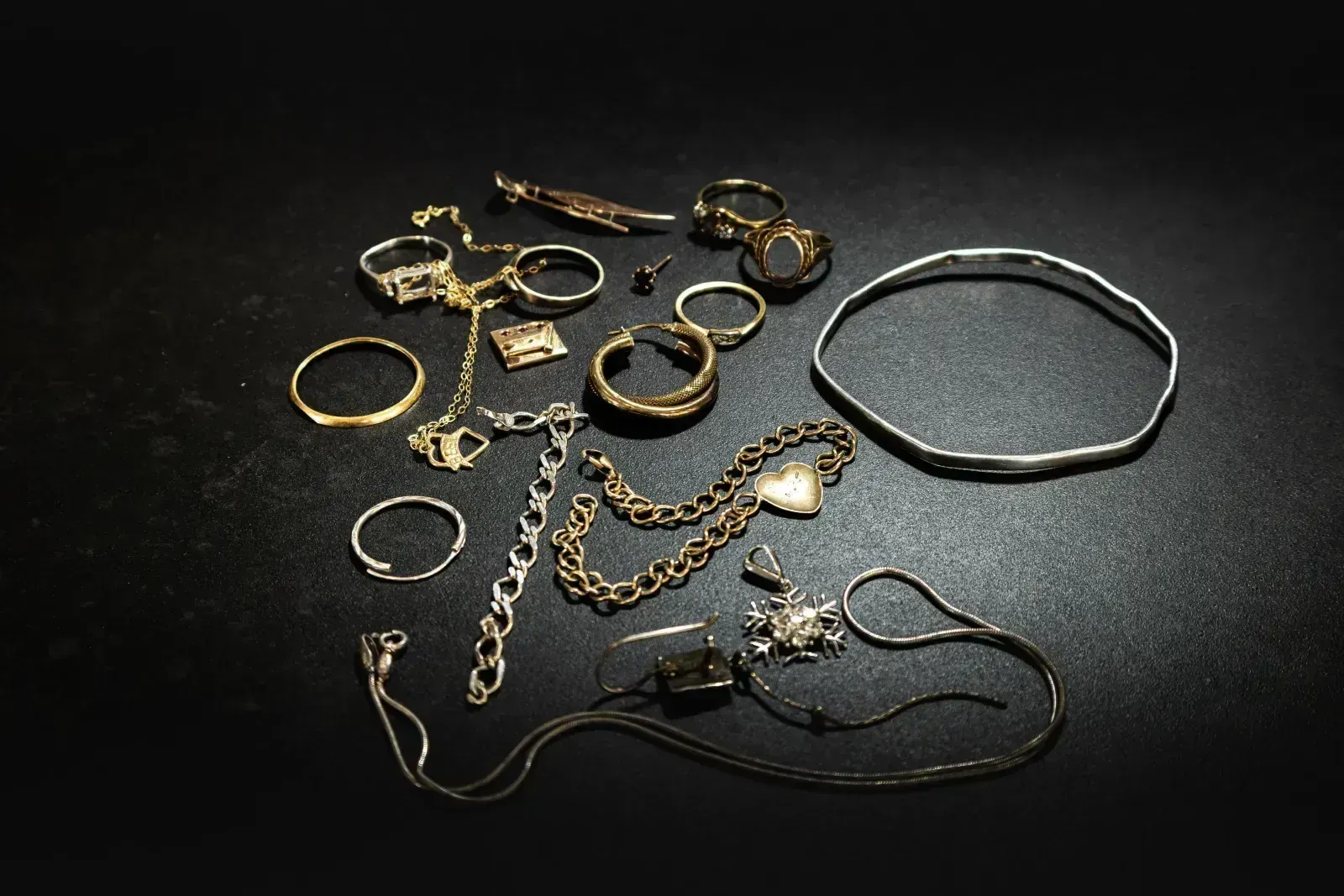
Before you sell, check the hallmarks on your jewellery. A piece stamped 750 (18ct) is worth significantly more per gram than one stamped 375 (9ct). Knowing what you have helps you spot an unfair offer immediately.
Similarly, understand the difference between solid gold or silver and plated items. Gold-plated (GP) or electroplated nickel silver (EPNS) items have very little precious metal value. A good buyer will explain this honestly; a bad one might pay you nothing and hope you do not notice.
Trust Your Gut
If something feels off, trust your instincts. You are under no obligation to sell to anyone. A legitimate buyer will never pressure you, and a fair offer will still be a fair offer tomorrow.
We offer free, no-obligation assessments anywhere in Tauranga and the Bay of Plenty. We test and weigh everything in front of you, explain our calculations, and you are welcome to take our quote and compare it with others before deciding. Get in touch any time.
Find Out What Your Items Are Worth
We offer free, no-obligation assessments anywhere in Tauranga and the Bay of Plenty. Same-day bank transfer if you accept.